So you’ve been exploring your options and wondering whether it’s possible to do a home insemination. The answer is yes! If home insemination is the right fit for you, frozen donor sperm can be shipped directly to your doorstep for an intracervical insemination (ICI).
ICI typically has lower success rates than intrauterine insemination (IUI), but the comfort of being in your own home versus a clinic can make it a worthwhile option. However, performing a home insemination isn’t the right move for everyone.
Let’s go through the steps of an at-home insemination so you can know what to expect.
Disclaimer: The information in this post is not a substitute for professional medical advice. Be sure to discuss your options with your doctor to create the best plan for your needs. There are affiliate links in this post! If you buy something through these links, it may help me earn a small commission.
Table of Contents
1. Find out if it’s an option for you
Before becoming set on the possibility of a home insemination, evaluate if this is the best move for you. Everyone trying to conceive should get an initial preconception work up to make sure your body is ready for pregnancy. This is the basics like your annual labs at your primary care provider and a pap smear at your OB/GYN.
You may want to get additional lab work done that is specific to fertility health. This includes labs such as Anti-Müllerian Hormone (AMH), which determines ovarian reserve.
- Are you greater than age 35?
- Do you have PCOS?
- Do you have any thyroid disorders?
Consider other factors that could impact fertility:
ICI success rates can be be lower for these individuals. This may influence your decision with how to attempt pregnancy.
Most sperm banks will let you buy sperm without any medical evaluation, but this is not recommended.
You should consult with your health care provider to get a personalized plan for you. There may be unexpected fertility issues and knowing this upfront can help avoid disappointment and unexpected costs later on.
Some banks, like the Sperm Bank of California require a signature from a medical professional. You can read more and compare sperm banks on my post here.
2. Know which sperm vials/straws to use
- ICI (unwashed) vials
- IUI (washed) vials
Either ICI or IUI vials can be used when performing an ICI. A home insemination involves the placement of sperm into the vagina, mimicking the process that occurs during intercourse. Since the sample isn’t being placed directly into the uterus, the vials can be “unwashed.” You can also use “washed” vials because they’re safe for an ICI procedure. They’ve just gone through an extra step to clear out extra seminal fluid.
Some prefer ICI vials since the extra seminal fluid present in the sample may help sperm travel up into the uterus. But based on sperm count alone, there is no reason to believe that one vial type is more successful than the other.
3. Understand Timing Your Insemination
Tracking your ovulation (egg release) is essential for determining the best time for insemination.
If you’re hoping to do an at home insemination with frozen sperm, you need to be spot on with timing.
Start monitoring and understanding your menstrual cycle as soon as possible to assess your body’s patterns and ensure you’re ovulating regularly each month. The sooner you start tracking your cycle, the more time you will have to collect information to learn about your body’s cycle.
The best way to accurately pinpoint your fertile window is by using an ovulation prediction kit (OPK). These kits detect your LH surge. The LH surge is what triggers the release of an egg roughly 12-36 hours afterward.
Cryos International recommends inseminating 12 to 24 hours after your first detection of an LH surge.
4. Prepare your space and gather supplies for the insemination
Creating a calm, comfortable environment can make the process feel less stressful. After all, one of the benefits of doing this at home is that you get to set the mood!
Clear a space next to your bed so that you can have your supplies ready when needed.
Gather your supplies
- Sperm sample in a nitrogen tank.
- Syringe (most banks include one for insemination).
- Water bath and thermometer to thaw frozen sperm safely.
- Gloves to protect your hands from the super-cold liquid nitrogen.
- Side note: I did not think about wearing gloves for our home insemination and about frozen my fingers off. So reminder that this sample is being pulled out of liquid nitrogen and is extremely cold.
- You may also want a Diva cup to help retain the sperm after insemination.
5. Perform the insemination
With your frozen sperm on hand, supplies gathered, and the timing set, here’s how to carry out the home insemination in simple steps!
- Thaw the sperm vial according to the instructions from your chosen sperm bank.
- For the individual who is intending to carry, lie on your back and elevate your hips using a pillow.
- Draw up the sperm:
- Use a standard syringe rather than specialized marketed syringes (like Mosie). From our experience the standard syringes drew up more sperm from the tiny vial.
- We felt the rounded Mosie syringe left some of the sample behind. However, I think it would be a good option for fresh sperm since it would be a larger sample.
- Inseminate gently: Slowly insert the syringe into the vagina as close to the cervix as possible and push the plunger slowly until empty. Leave the syringe in place for about 15 seconds before carefully removing it.
- Rest afterward: Remain lying down for at least 30 minutes. Some people choose to stay longer to maximize comfort and sperm retention. You could also insert a diva cup to help sperm stay in place after insemination.
Additional Sources:
Seattle Sperm Bank, Cleveland Clinic, Clear Blue, Shady Grove Fertility, PubMed
More info for performing an ICI from sperm banks’ ‘How to Inseminate at Home’ pages below.
Disclaimer: THE INFORMATION IN THIS POST AND ON THIS WEBSITE IS NOT A SUBSTITUTION FOR MEDICAL ADVICE.
Let’s stay connected! Sign up for our newsletter below to be notified when new posts are released!

Folic Acid for Fertility: What’s recommended?

5 Must-Haves For Starting Your Fertility Journey

10 Healthy Breakfast Ideas for Fertility
5 Tips to Eating Healthy for Fertility
How to do an at-home insemination with frozen sperm in 5 steps

Comparing Folic Acid and Methylfolate for Fertility
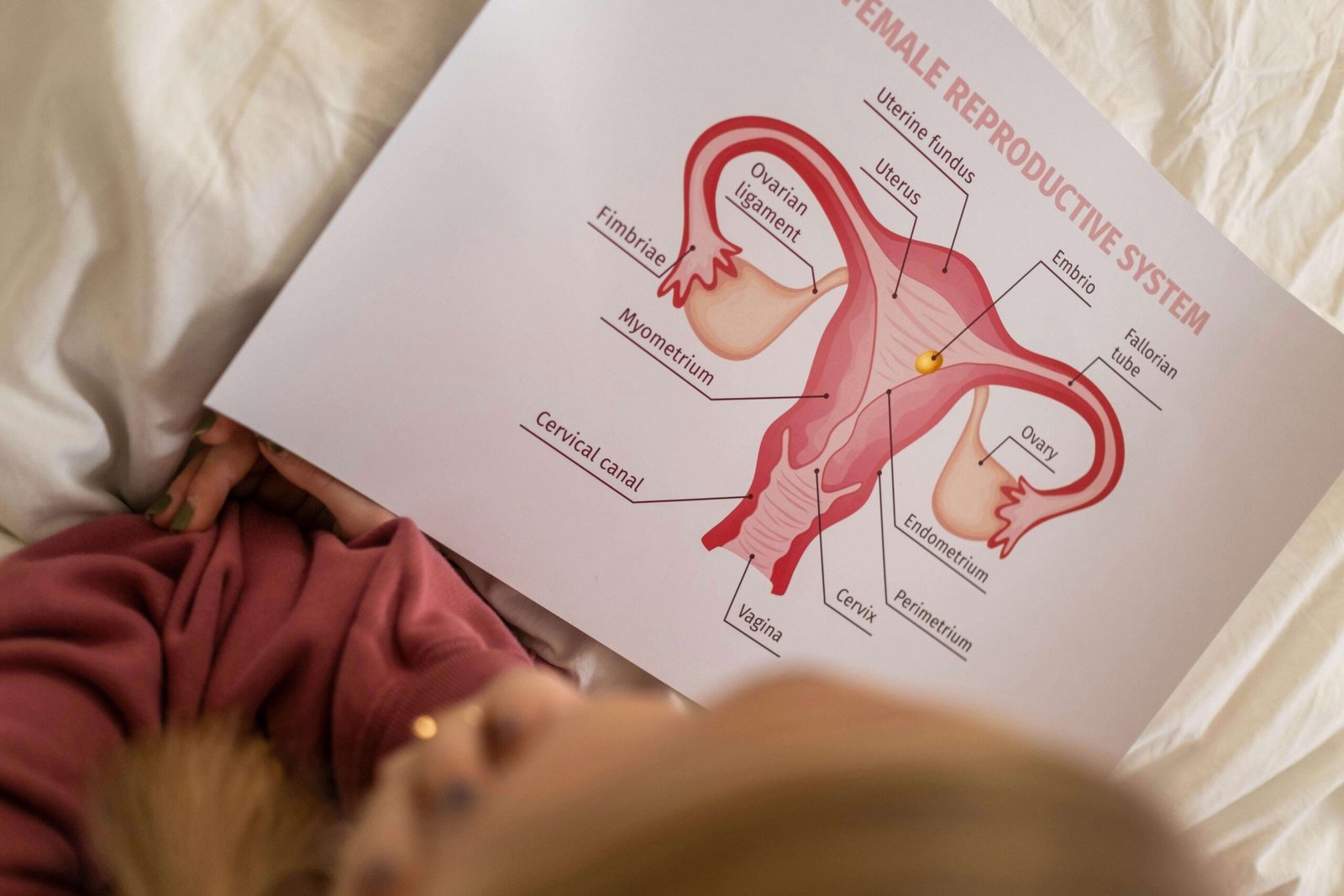
Understanding the Menstrual Cycle for Fertility Tracking

Comparing the Top 5 Sperm Banks in the USA